Author: Kevin

Whole-Home Surge Protection: Essential for NOLA Storms

In New Orleans, storm season is not something homeowners can ignore. Spring and summer bring intense thunderstorms, heavy rain, and frequent lightning strikes. In fact, Louisiana consistently ranks among the highest in the country for lightning activity. While many people think about protecting electronics like TVs and computers, fewer realize how vulnerable their entire home is to power surges. That includes some of the most expensive systems in your house.

A simple power strip can only do so much. To truly protect your home, especially during storm season, whole-home surge protection is one of the smartest upgrades you can make.

What Is a Power Surge and Why Does It Matter?

A power surge is a sudden spike in electrical voltage. These spikes can be caused by lightning strikes, downed power lines, or even fluctuations within your own electrical system. In a storm-prone area like New Orleans, lightning is one of the biggest causes of damaging surges.

Even small surges can wear down electronics over time. Larger surges can destroy equipment instantly. The damage is not always obvious right away either. Sometimes components weaken and fail weeks later, leaving homeowners wondering what went wrong.

Why Power Strips Are Not Enough

Most homeowners rely on power strips with built-in surge protection to safeguard electronics. While these devices can help protect smaller items like TVs, gaming systems, and computers, they only work at the outlet level.

That means anything not plugged into a surge-protected strip is left exposed. This includes:

  • HVAC systems
  • Refrigerators and major appliances
  • Smart home systems
  • Electrical panels and wiring
  • EV chargers

Power strips also have limited capacity. A strong surge, especially one caused by lightning, can overwhelm them instantly.

What Whole-Home Surge Protection Does

A whole-home surge protector is installed directly at your electrical panel. It acts as a first line of defense, stopping or redirecting excess voltage before it travels through your home’s wiring.

Instead of protecting just a few devices, this system protects everything connected to your electrical system. It works automatically and continuously, providing protection during every storm and power fluctuation.

Protecting Your HVAC System

One of the most overlooked risks of power surges is damage to your HVAC system. Modern heating and cooling systems rely on sensitive electronic components, including control boards, thermostats, and sensors.

These components are expensive to replace and can be easily damaged by voltage spikes. A single surge can take out a control board, leaving your home without heating or cooling when you need it most.

Given the cost of HVAC repairs or replacements, surge protection is not just a convenience. It is a practical way to protect a major investment in your home.

Safeguarding Modern Appliances and Technology

Today’s homes rely on more advanced technology than ever before. From smart refrigerators and ovens to home automation systems and EV chargers, modern appliances are highly sensitive to electrical fluctuations.

A whole-home surge protector helps protect:

  • Smart appliances with digital controls
  • Home security systems
  • WiFi connected devices
  • Electric vehicle charging equipment
  • Laundry and kitchen appliances

Replacing or repairing these systems after a surge can be costly. Preventing the damage in the first place is far more affordable.

Why Surge Protection Is Critical Before Storm Season

As spring approaches in New Orleans, storm activity begins to increase. Waiting until after a major storm hits can leave your home vulnerable to costly damage.

Installing whole-home surge protection before storm season provides peace of mind. It ensures your home is prepared for lightning strikes, grid fluctuations, and unexpected power issues.

Storms are unpredictable, but your protection does not have to be. Taking action early helps you avoid emergency repairs and unexpected expenses.

The Value of Professional Installation

Whole-home surge protection is not a DIY project. It requires proper installation at your electrical panel to ensure it functions correctly and safely.

A licensed electrician will:

  • Install the surge protector at the correct location
  • Ensure proper grounding
  • Verify compatibility with your electrical system
  • Test the system for reliable performance

Professional installation ensures your surge protection works when you need it most.

A Smart Investment for Your Home

Whole-home surge protection is one of the most cost-effective ways to protect your home’s electrical system and valuable equipment. When you consider the cost of replacing an HVAC system, appliances, or electronics, the investment quickly pays for itself.

In a storm-prone area like New Orleans, surge protection is not just an upgrade. It is a necessity.

Protect Your Home Before the Next Storm

Storm season in New Orleans brings powerful weather and increased risk of electrical surges. Do not wait until damage occurs to think about protection.

H&E Comfort Services provides professional whole-home surge protection installation designed to safeguard your electrical system, HVAC equipment, and modern appliances. Our team ensures your home is protected from the ground up, giving you confidence during every storm.

Schedule your surge protection installation today and take a proactive step toward protecting your home, your comfort, and your investment.


The Ultimate Guide to Outdoor House Lights: Installation, Wiring, and Electrical Safety for Homeowners

Outdoor lighting does more than brighten your yard. It improves safety, enhances curb appeal, and makes outdoor spaces more enjoyable after dark. As spring and summer approach in the Greater New Orleans area, many homeowners begin planning upgrades such as porch lights, pathway lighting, and backyard illumination. While outdoor lighting projects can seem simple, proper installation involves careful wiring, weather protection, and electrical safety considerations. Understanding how outdoor lighting works can help you make informed decisions and avoid common mistakes.

How Outdoor Lighting Is Powered

Outdoor house lights are typically connected to your home’s electrical system through dedicated circuits or extensions from existing interior circuits. Power flows from your electrical panel through wiring that runs inside walls or underground conduit before reaching the fixture.

Most outdoor lighting setups include several key components:

  • A power source connected to your home’s electrical panel 
  • Electrical wiring designed for exterior use 
  • A switch, timer, or motion sensor that controls the light 
  • A weather rated fixture that safely houses the bulb and wiring

Depending on the project, outdoor lights may also be connected to smart home systems, dusk to dawn sensors, or low voltage transformers for landscape lighting.

Common Outdoor Lighting Wiring Setups

There are a few common wiring configurations used for outdoor lighting. Each setup depends on the location of the fixture and the purpose of the lighting.

Wall Mounted Lighting

Wall mounted lighting such as porch lights or garage lights usually connects to wiring that runs through the wall and into a junction box. The fixture mounts securely to this box and draws power from the circuit inside the home.

Landscape Lighting

Landscape lighting systems often use low voltage wiring connected to a transformer. The transformer reduces standard household voltage and distributes power to multiple lights throughout the yard. This setup is commonly used for pathway lighting, garden lighting, and decorative features.

Floodlights

Floodlights and security lighting may be wired to motion sensors or dedicated switches. These lights typically require stronger fixtures and proper grounding because they operate outdoors in exposed conditions.

Why GFCI Protection Is Essential

Outdoor electrical installations must include safety measures to prevent electrical shock. One of the most important requirements is Ground Fault Circuit Interrupter protection, commonly known as GFCI.

GFCI devices monitor the flow of electricity and quickly shut off power if an imbalance is detected. This protects people from electric shock if moisture or damaged wiring creates a hazardous condition.

Outdoor outlets and many lighting circuits must include GFCI protection to meet electrical safety standards. Without it, water exposure could create a serious risk, especially during storms or heavy humidity.

Professional electricians ensure that GFCI protection is installed correctly and that the circuit operates safely under outdoor conditions.

Weatherproofing and Outdoor Durability

Outdoor lighting systems must withstand constant exposure to weather. Rain, humidity, heat, and temperature changes can damage wiring and fixtures if they are not properly protected.

Weatherproof electrical boxes and covers help shield connections from moisture. Outdoor rated wiring insulation prevents corrosion and deterioration over time. Properly sealed fixtures reduce the chance of water entering the electrical components.

In regions like the Greater New Orleans area, where humidity and storms are common, these protections are especially important for long term reliability.

Code Compliant Installation Practices

Electrical codes exist to ensure that installations are safe and reliable. Outdoor lighting installations must follow specific guidelines regarding wiring methods, fixture placement, and circuit protection.

Key code compliant practices include:

  • Using outdoor rated electrical boxes and fixtures 
  • Installing proper grounding for all exterior circuits 
  • Protecting wiring with conduit when required 
  • Ensuring GFCI protection for outdoor electrical connections 
  • Securing fixtures to approved mounting surfaces

Following these guidelines helps prevent electrical hazards and ensures your lighting system operates properly for years to come.

Common DIY Mistakes with Outdoor Lighting

Many homeowners attempt to install outdoor lights themselves, especially when upgrading porch fixtures or adding landscape lighting. While some small projects appear simple, DIY installation can lead to serious problems if electrical work is handled incorrectly.

Common mistakes include:

  • Using indoor rated fixtures outdoors 
  • Failing to install GFCI protection 
  • Improperly sealing electrical connections 
  • Overloading existing circuits 
  • Running wiring without proper conduit or protection 
  • Incorrect grounding of fixtures

These mistakes can cause short circuits, fixture failure, or even electrical fires. Outdoor wiring mistakes may also remain hidden until severe weather exposes the problem.

When to Call a Professional Electrician

Professional installation ensures that outdoor lighting systems are installed safely and built to last. Licensed electricians understand electrical codes, wiring requirements, and weatherproofing techniques that protect your home.

Working with a professional is especially important for projects that involve new wiring, multiple lighting zones, or upgrades to existing circuits. Electricians can also recommend lighting layouts that improve visibility and security around your home.

Outdoor Lighting Done Safely and Professionally

At H&E Comfort Services, our licensed electricians provide professional outdoor lighting installation and electrical repair services for homeowners throughout the Greater New Orleans area. Whether you want to add new porch lights, install landscape lighting, or upgrade existing fixtures, our team ensures that every installation meets safety standards and performs reliably.

Outdoor lighting should enhance your home, not create electrical risks. With the right installation and proper wiring, you can enjoy a brighter, safer outdoor space all season long.

If you are planning outdoor lighting upgrades this spring or summer, contact H&E Comfort Services to schedule professional installation and ensure your project is completed safely.


Air Scrubbers vs. Filters: Which Is Best for Louisiana Allergies?

Woman sitting with crumpled tissues.Allergy season in Louisiana can feel like it never really ends. High humidity, long pollen seasons, mold growth, and airborne dust all contribute to poor indoor air quality. For homeowners across the region, especially those with asthma or seasonal allergies, finding the right indoor air quality solution can make a noticeable difference in comfort. Two common options are air filters and air scrubbers. While both improve air quality, they work in very different ways. Understanding those differences can help you choose the best solution for your Louisiana home.

Why Allergies Are So Challenging in Louisiana

Louisiana’s warm climate and high moisture levels create the perfect environment for allergens. Pollen from trees, grasses, and weeds can linger in the air for months. Mold spores thrive in damp conditions and often enter homes through doors, windows, and HVAC systems. Dust mites and pet dander also build up more quickly in humid environments.

Because your HVAC system circulates air throughout the home, anything in the air eventually passes through it. That is why indoor air quality solutions play such a critical role in managing allergy symptoms.

How Air Filters Work

Air filters are the most common and familiar indoor air quality solution. They are installed inside your HVAC system and capture particles as air passes through.

Standard filters are designed to trap large particles like dust and debris. Higher efficiency filters, such as pleated or HEPA style filters, capture smaller particles like pollen, pet dander, and some mold spores. The effectiveness of a filter depends on its rating and how often it is replaced.

Benefits of Air Filters

Air filters offer several advantages for Louisiana homeowners:

  • They are affordable and easy to maintain

  • They help protect HVAC equipment from dust buildup

  • Higher quality filters reduce pollen and dust in the air

  • They can improve overall system efficiency when changed regularly

For many households, upgraded filters provide a noticeable improvement in allergy symptoms.

Limitations of Air Filters

Despite their benefits, filters have limits. Filters only clean the air that passes through the HVAC system. Particles that settle on surfaces or remain airborne outside of system cycles are not addressed. Filters also do not neutralize odors, bacteria, or viruses.

In high allergy environments like Louisiana, filters alone may not be enough to manage indoor air quality year round.

How Air Scrubbers Work

Air scrubbers are advanced indoor air quality devices that actively clean the air and surfaces inside your home. Installed within the HVAC system, air scrubbers use technologies such as UV light and ionization to break down airborne contaminants.

Instead of only trapping particles, air scrubbers target allergens, mold spores, bacteria, and odors at a molecular level. As air circulates, the scrubber releases safe ions that seek out contaminants and neutralize them.

Benefits of Air Scrubbers

Air scrubbers offer powerful advantages, especially in humid climates:

  • Reduce airborne allergens and mold spores

  • Help control odors from pets, cooking, and humidity

  • Target bacteria and other microorganisms

  • Clean both air and surfaces

  • Provide continuous air treatment

For Louisiana homes where mold and allergens are constant concerns, air scrubbers deliver more comprehensive protection.

Limitations of Air Scrubbers

Air scrubbers are an investment and typically cost more than standard filters. They also work best when paired with proper filtration and regular HVAC maintenance. While highly effective, they are not a substitute for clean ductwork or moisture control.

Which Option Is Best for Louisiana Allergies?

The best choice depends on the severity of allergy symptoms and the specific challenges in your home.

Air filters are a solid starting point for mild allergies. If you change them regularly and choose a high quality filter, you may see improvement in dust and pollen levels.

Air scrubbers are better suited for households with moderate to severe allergies, asthma, pets, or mold concerns. They offer active air purification that works around the clock, even when allergens are not moving through the filter.

Many Louisiana homeowners choose a combined approach. Using a quality air filter alongside an air scrubber creates a layered defense that captures particles while also neutralizing contaminants that filters miss.

Professional Guidance Makes the Difference

Every home has unique air quality challenges. Factors such as home size, HVAC design, humidity levels, and family health concerns all influence the right solution. A professional evaluation helps determine whether a filter upgrade, an air scrubber, or a combination of both will deliver the best results.

H&E Comfort Services helps Louisiana homeowners improve indoor air quality with customized solutions designed for local conditions. Our team evaluates your system, explains your options, and recommends products that support cleaner air and better comfort.

Breathe Easier Year Round

Allergies do not have to control your comfort. With the right indoor air quality system, you can reduce allergens, manage humidity related issues, and enjoy cleaner air throughout your home.

If you are struggling with Louisiana allergies, contact H&E Comfort Services to learn whether an air scrubber, upgraded filters, or both are the right choice for your home. Clean air starts with informed decisions and professional support.

Electrical Safety & Rewiring for Older Homes

The historic charm of many West Bank and Greater New Orleans homes is part of what makes the area special. From raised cottages to mid century neighborhoods, older housing stock offers character you cannot replicate in new construction. Unfortunately, many of these homes still rely on outdated electrical systems that were never designed to support modern living. Aging wiring is not just an inconvenience or a code issue. It is a serious safety risk and an increasing financial liability for homeowners.

If your home was built before the 1980s, there is a strong chance it contains aluminum wiring or even knob and tube wiring. Understanding why these systems are dangerous and how they affect insurance coverage can help you protect both your family and your investment.

Why Older Electrical Systems Are a Risk

Electrical systems are designed to handle a specific electrical load. Older homes in the West Bank and Greater New Orleans were built at a time when power demands were far lower. Air conditioners, large kitchen appliances, home offices, and smart technology place stress on wiring that may already be worn down by decades of use.

Two wiring types are especially common in older homes and both are known fire hazards.

The Dangers of Aluminum Wiring

Aluminum wiring was widely installed in homes built during the 1960s and 1970s. At the time, it was considered a cost effective alternative to copper. Over the years, serious problems have emerged.

Aluminum expands and contracts more than copper when electricity flows through it. This movement can loosen connections at outlets, switches, and breaker panels. Loose connections create resistance, which leads to heat buildup. That heat can damage fixtures, melt insulation, and ignite surrounding materials.

Aluminum wiring is also more prone to oxidation. When aluminum oxidizes, it increases resistance even further, accelerating the risk of overheating. Many electrical fires linked to aluminum wiring start behind walls or at connection points, making them difficult to detect until serious damage has already occurred.

Why Knob and Tube Wiring Is a Major Fire Hazard

Knob and tube wiring is commonly found in homes built before the 1940s. While it was acceptable decades ago, it is no longer considered safe by modern standards.

This wiring system lacks a ground wire, which means it cannot safely redirect excess electricity. It also relies on air space to prevent overheating. Over time, insulation can degrade, crumble, or become buried under modern insulation added during renovations. When that happens, heat becomes trapped and the risk of fire increases dramatically.

Another concern is that knob and tube systems were never meant to power today’s appliances. When homeowners add outlets, lighting, or new circuits without proper upgrades, the wiring can become overloaded.

Why Insurance Companies Are Dropping Coverage

One of the biggest shocks homeowners face is learning that their insurance company will not cover homes with aluminum or knob and tube wiring. Insurers view these systems as high risk due to their strong association with electrical fires.

In many cases, insurance providers will:

  • Refuse to issue a new policy
  • Cancel or non renew an existing policy
  • Require costly riders or exclusions
  • Demand proof of full rewiring before continuing coverage

Without proper insurance, your home becomes a financial liability. Mortgage lenders often require active homeowners insurance, which means coverage loss can trigger serious complications. Even if coverage remains in place, claims related to electrical fires may be denied if outdated wiring is discovered.

Rewiring as a Financial Protection Strategy

Upgrading your electrical system is not just about meeting code or improving safety. It is about protecting the value of your home. A full or partial rewire, combined with a modern electrical panel, reduces fire risk and makes your property insurable and marketable.

Homes with updated electrical systems are easier to sell and appraise higher. Buyers are increasingly cautious about older wiring, especially in the Greater New Orleans area where humidity, heat, and storm related power fluctuations add extra stress to electrical systems.

By addressing electrical upgrades proactively, you avoid emergency repairs, insurance surprises, and potential loss of coverage.

Signs Your Home May Need Rewiring

If you are unsure about the condition of your electrical system, watch for warning signs such as:

  • Frequent breaker trips
  • Flickering or dimming lights
  • Warm outlets or switch plates
  • Burning smells near electrical fixtures
  • Two prong outlets throughout the home
  • A fuse box or outdated breaker panel

Even if these symptoms seem minor, they often indicate deeper issues within aging wiring.

Taking the Next Step Toward Safety and Stability

Older homes deserve modern protection. Rewiring and panel upgrades are one of the most effective ways to reduce fire risk, maintain insurance coverage, and protect your largest asset.

H&E Comfort Services provides professional electrical inspections, rewiring, and panel upgrades for homeowners throughout the West Bank and Greater New Orleans area. Our licensed electricians understand the unique challenges of older homes and offer clear recommendations tailored to your property.

If your home still relies on aluminum or knob and tube wiring, now is the time to take action. Investing in electrical upgrades today can prevent dangerous situations tomorrow and preserve the long term value of your home. Reach out today to schedule an appointment with an expert electrician on our team. 


Is That Buzzing Sound from My Electrical Panel Dangerous?

A quiet home is something everyone appreciates, so when you suddenly notice a low hum or buzzing sound coming from your electrical panel, it can feel unsettling. Many homeowners in New Orleans are not sure whether the noise is a harmless quirk or a sign of a serious electrical issue. The best way to stay safe is to understand what the sound means and to know when it is time to call a professional. At H&E Comfort Services, we help local homeowners protect their homes with reliable electrical panel repairs designed to keep your system safe and stress free.

What Your Electrical Panel Should Sound Like

Your electrical panel is the central point where power enters your home and gets distributed to different circuits. Under normal conditions, it should be very quiet. You might hear an occasional click when a breaker trips, but you should not hear a continuous buzzing, humming, or sizzling sound. Any persistent noise is a warning that something is not operating correctly.

Electrical panels are built to handle a certain load and to route power smoothly. When something interrupts that process, parts inside the panel can vibrate or overheat. Those reactions often create the buzzing sounds homeowners notice.

Common Causes of Electrical Panel Buzzing

There are a few reasons your panel may be making noise, and some are more serious than others. Understanding the possibilities helps you avoid bigger problems later.

Loose Connections

Over time, wire connections inside the panel can loosen. When that happens, the electricity flowing through those wires can arc. Arcing produces heat and vibration, and the result is often a noticeable buzz. Loose connections are a major fire hazard and should always be handled by a licensed electrician.

Overloaded Circuits

In New Orleans, many homes have older electrical systems that were not designed for modern appliances and technology. When too many devices draw power from the same circuit, the breaker works harder than it should. An overloaded circuit can cause the breaker to vibrate and make noise. If the breaker is struggling to manage the load, it may eventually trip or fail.

Aging or Faulty Breakers

Breakers can wear out over time. Internal components can weaken and begin to vibrate when electricity passes through them. If the buzzing is isolated to one breaker in the panel, it may be failing and in need of replacement.

Improper Panel Installation or Upgrades 

If a panel was installed or modified by someone without the right training, parts may not be secured correctly. Poor workmanship often leads to electrical noise and inconsistent performance.

When Buzzing Becomes Dangerous

Not every sound is cause for immediate alarm, but many buzzing issues point to overheating or electrical faults. Those conditions should never be ignored. Electrical malfunctions are one of the top causes of residential fires, and early warning signs like buzzing are often overlooked until something more serious happens.

You should treat the situation as urgent if:

  • The buzzing grows louder over time

  • You smell burning plastic or notice scorch marks

  • Breakers trip repeatedly

  • Lights flicker when appliances turn on

  • The panel feels warm to the touch

Any of these symptoms suggests a potentially hazardous problem. In these cases, the safest option is to shut off power to the affected circuit if you can do so safely, then call the licensed electricians at H&E Comfort Services.

What To Do When Your Panel Makes Noise

The most important thing to remember is that electrical panels are not a DIY project. Even a simple issue can become dangerous if handled incorrectly. Here is what you should do instead:

  • Observe where the noise is coming from

  • Avoid touching the panel or trying to tighten anything

  • Turn off power to specific circuits only if you know how to do it safely

  • Call a professional for an inspection

A trained electrician can determine whether you are dealing with a loose wire, a faulty breaker, or something more severe.

How H&E Comfort Services Can Help

H&E Comfort Services provides expert electrical services for homeowners throughout New Orleans. Our licensed electricians use professional testing tools to identify issues quickly and accurately. Once we locate the cause of the buzzing sound, we explain the problem clearly and help you choose the right repair option.

We deliver durable solutions that restore safety and reliability. Whether you need a new breaker, updated wiring, or a full panel upgrade, our team makes sure your electrical system meets current standards and is prepared to support your household’s needs.

Keep Your Home Safe with Professional Service

A buzzing electrical panel is not something to ignore. Even if the noise seems minor, it often reveals a deeper issue that requires prompt attention. By calling H&E Comfort Services, you can protect your home, prevent electrical damage, and enjoy the confidence that your system is working the way it should.

If you notice unusual sounds coming from your panel, schedule an inspection with our team today. We are here to keep your New Orleans home safe, comfortable, and fully powered.


Help! My Outlets Aren’t Working. A Homeowner’s Troubleshooting Guide

You go to plug in the coffee maker, charge your phone, or flip on a lamp, only to realize the outlet is completely dead. Before panic sets in, know that a non-working outlet doesn’t always mean a major electrical failure. In many cases, the fix is simple and something you can safely check on your own. As a trusted electrical contractor serving homeowners throughout New Orleans, H&E Comfort Services is here to walk you through the most common causes and solutions when your outlets stop working.

How to Troubleshoot When Your Outlets Aren’t Working

Here’s how to troubleshoot your outlet issues and determine whether you need to call in a licensed electrician for help. 

1. Start With the Obvious: Is the Device the Problem?

It may sound too simple, but always begin by testing the outlet with a different device. The issue could be a faulty charger, a blown-out bulb, or an appliance with an internal failure. If nothing works in that outlet, but works everywhere else, it’s time to continue troubleshooting.

2. Check for a Tripped Breaker

One of the most common reasons an outlet stops working is a tripped breaker in the electrical panel. Open your breaker box and look for a switch that’s in the “off” position or not fully aligned with the others. Reset it by flipping it completely off, then back on again. If the breaker immediately trips a second time, that’s a sign of a short circuit, overloaded circuit, or damaged wiring, and it’s time to call an electrician.

3. Look for a Tripped GFCI Outlet

In kitchens, bathrooms, garages, laundry rooms, and outdoor areas, electrical codes require GFCI (ground fault circuit interrupter) outlets. These safety outlets shut off power when they detect an imbalance, protecting you from electrical shock. Even if the dead outlet isn’t a GFCI itself, it may be connected to one.

Find the nearest GFCI, press the “reset” button, and test your outlet again. If the GFCI won’t reset or it keeps tripping, there may be moisture in the circuit, a loose connection, or a wiring issue that needs professional attention.

4. Inspect for Loose or Damaged Outlets

Over time, outlets can loosen inside the wall or develop worn-down contact points. Signs of a failing outlet include:

  • Plugs that fall out easily 
  • Sparks when inserting a plug 
  • Buzzing or crackling sounds 
  • Burn marks or melting on the outlet cover

These are serious red flags. Do not continue using the outlet. Turn off the circuit and call a licensed electrician immediately for an outlet repair.

5. Consider Circuit Overload

If several outlets on the same wall or room stop working at once, the circuit may be overloaded. Large appliances like space heaters, microwaves, or window AC units can draw more power than the circuit was designed for. Unplug high-demand items and reset the breaker. If the problem keeps happening, you may need a dedicated circuit installed.

6. Check for Hidden Switch-Controlled Outlets

In many New Orleans homes, especially older or historic properties, some wall outlets are controlled by a light switch. If the outlet suddenly “stopped working,” try flipping nearby switches you don’t normally use. You may discover the outlet was never broken at all.

7. When DIY Stops, Safety Starts

There are a lot of things a homeowner can check, but electrical work becomes dangerous fast if you don’t know what’s behind the wall. If you notice any of the following, skip the troubleshooting and call a professional right away:

  • A burning smell near the outlet 
  • Visible scorch marks 
  • Breakers that won’t reset 
  • Repeated shocks or sparks 
  • Flickering lights connected to the same circuit 
  • Multiple outlets losing power at once

Electrical problems can lead to fires, so it’s better to be cautious than sorry.

How H&E Comfort Services Can Help

If your outlet issue turns out to be more than a quick reset, H&E Comfort Services offers licensed, reliable electrical services throughout the Greater New Orleans area. Our electricians can:

  • Replace worn or unsafe outlets 
  • Upgrade old two-prong outlets to modern grounded ones 
  • Install GFCI and AFCI protection where required 
  • Troubleshoot wiring faults behind the wall 
  • Add new outlets or dedicated circuits to prevent overloads 
  • Perform whole-home electrical safety inspections

We know how frustrating it is when your power doesn’t work the way it should, and how risky DIY electrical guesses can be. Our team delivers fast, safe, code-compliant repairs so you can get back to using your home with confidence.

Final Tip: Don’t Ignore Repeated Outlet Problems

If an outlet fails more than once, trips breakers frequently, or shows signs of heat or wear, that’s the electrical system telling you something is wrong. Small issues can escalate into major hazards, especially in Louisiana’s humid climate where moisture and corrosion are common.

Need help with an outlet or any electrical issue? Contact H&E Comfort Services today and let our experts get your home powered safely again.

My Breaker Keeps Tripping. What Does It Mean and What Should I Do?

It’s a hot New Orleans afternoon, and just as your air conditioner kicks into high gear—click—the power goes out in part of your home. You check your electrical panel and find a breaker has tripped again. While it’s tempting to flip the switch and move on, a frequently tripping breaker is your electrical system’s way of saying something isn’t right. Understanding why it happens and how to respond can keep your home safe and your comfort uninterrupted.

What Happens When a Breaker Trips?

Your home’s electrical breakers are designed to protect your wiring and appliances from damage. When a circuit becomes overloaded, a breaker automatically “trips” or shuts off to stop the flow of electricity. This prevents overheating, electrical fires, and other hazards.

Occasional trips can happen for harmless reasons, like plugging too many devices into one outlet. But repeated tripping points to an underlying issue that shouldn’t be ignored.

Common Reasons Your Breaker Keeps Tripping

Let’s take a look at some of the most common reasons why your breaker keeps tripping. 

Circuit Overload

This is the most common culprit. A circuit overload occurs when more electrical demand is placed on a circuit than it can handle. For example, running your air conditioner, microwave, and hair dryer on the same circuit can exceed its capacity. Older homes in New Orleans often have fewer circuits, making overloads more likely during summer when appliances are working overtime.

Short Circuit

A short circuit happens when a “hot” wire comes into contact with a neutral wire or another conductive surface. This causes a sudden surge of electricity that trips the breaker instantly. Shorts are usually accompanied by a popping sound or burning smell. They can be caused by faulty wiring, loose connections, or damaged appliances—and they require immediate professional attention.

Ground Fault

Similar to a short circuit, a ground fault occurs when electricity takes an unintended path to the ground, often through water or a person. Ground faults are especially dangerous and are more common in areas like kitchens, bathrooms, or outdoor outlets where moisture is present. Ground Fault Circuit Interrupter (GFCI) breakers are designed to detect this and shut off power quickly to prevent shocks.

Faulty Appliances or Equipment

Sometimes the breaker isn’t the problem; it’s what’s plugged in. A malfunctioning appliance can draw irregular current and repeatedly trip the breaker. Unplugging the suspect device and testing the circuit can help identify the issue.

Aging Electrical Panel

If your home has an older breaker panel, it may not be equipped to handle modern electrical demands. Panels that are outdated or poorly maintained may trip more often or even fail to trip when needed, posing a safety risk.

What You Can Safely Do Before Calling a Professional

While some issues require expert diagnosis, there are a few steps homeowners can take to troubleshoot minor causes:

  • Unplug excess devices. If a circuit is overloaded, unplug some appliances and reset the breaker.

  • Reset properly. Flip the breaker fully to the “off” position, then back “on.”

  • Check for patterns. Notice which appliances are running when the breaker trips. This can help narrow down the problem.

  • Inspect for obvious damage. Look for frayed cords or outlets that feel hot to the touch. If you find anything unusual, leave it unplugged and call a professional.

If the breaker trips again immediately or repeatedly in a short time, don’t keep resetting it. This can worsen the problem or create fire hazards.

Why You Shouldn’t Ignore Repeated Breaker Trips

Repeated tripping is more than just an inconvenience; it can be a warning sign of serious electrical problems. Overloaded circuits and faulty wiring are two of the leading causes of residential electrical fires. In New Orleans, where older homes and humid conditions can exacerbate wiring issues, it’s especially important to take breaker problems seriously.

A licensed electrician can inspect your system to identify whether the issue is with the wiring, a panel that needs repair, or a connected appliance. They’ll also ensure your home meets current electrical codes and has enough capacity to handle modern appliances safely.

When to Call H&E Comfort Services

If your breaker keeps tripping and you’re unsure why, it’s best to bring in a professional. At H&E Comfort Services, our team is experienced in diagnosing and repairing electrical issues for homes throughout New Orleans and the surrounding areas. We offer comprehensive electrical services and we can:

  • Identify the root cause of frequent breaker trips

  • Upgrade outdated panels and wiring

  • Replace faulty breakers or GFCIs

  • Ensure your system is safe, code-compliant, and capable of meeting your household’s needs

Keep Your Home Safe and Comfortable

Electrical issues shouldn’t be ignored or patched over with quick fixes. If your breaker keeps tripping, treat it as a sign that something in your system needs attention. With expert help from H&E Comfort Services, you can restore reliable power to your home and prevent more serious problems down the road. Contact us today to schedule your electrical service and put an end to your breaker problems once and for all. 

Why Do My Lights Keep Flickering? 5 Common Causes in New Orleans Homes

Flickering lights can be more than just an annoyance. In many New Orleans homes, this issue can signal everything from minor electrical problems to potential safety hazards. If you’ve noticed your lights dimming, pulsing, or flickering at random times, it’s important to figure out the cause before the problem worsens. Some issues are simple fixes, while others may require professional electrical services from a trusted local company like H&E Comfort Services.

Below, we’ll explore five common causes of flickering lights in New Orleans homes and what you can do about them.

1. Loose or Faulty Light Bulbs

The most common cause of flickering lights is also the easiest to fix—a loose or faulty bulb. Over time, light bulbs can loosen from their sockets due to vibrations, or the connection points can wear down. This can cause intermittent contact and result in flickering.

Here’s how to check your light bulbs:

  • Turn off the power to the light fixture. 
  • Gently tighten the bulb to see if that resolves the issue. 
  • If tightening doesn’t work, try replacing the bulb with a new one.

LED and fluorescent bulbs may also flicker if they’re not compatible with your dimmer switch. If that’s the case, switching to bulbs designed for dimmers may eliminate the problem.

2. Faulty Light Switches or Wiring Connections

If the bulb isn’t the issue, the flickering may be caused by a faulty light switch or loose wiring in the fixture itself. In older New Orleans homes especially, wiring connections can loosen over time. This leads to inconsistent power delivery and that annoying flicker.

If you notice that the light flickers only when you touch or adjust the switch, the switch is likely the culprit. Because wiring issues can pose a fire hazard, it’s best to have a licensed electrician inspect the switch and surrounding connections, and complete your switch or fixture repair.

3. Overloaded Circuits

Flickering lights can also indicate that your home’s electrical circuits are overloaded. This often happens when high-demand appliances, such as air conditioners, refrigerators, or washers, cycle on and off. If you see your lights dim or flicker when these appliances start, it’s a sign your circuit is under strain.

In New Orleans, where many homes run energy-hungry HVAC systems during hot, humid summers, overloaded circuits are a common cause of flickering lights.

Here’s what to do to fix the issue:

  • Spread out the use of high-demand appliances across different circuits. 
  • Consider upgrading your electrical panel if your home can’t keep up with your power needs.

4. Power Supply Issues from the Utility Company

Sometimes, the flickering isn’t caused by anything inside your home. New Orleans neighborhoods often experience sudden power fluctuations due to storms, aging infrastructure, or grid strain. These fluctuations can affect your home’s voltage and cause your lights to flicker or dim unexpectedly.

If multiple homes on your street are experiencing the same problem, the issue is likely with the utility company. Contact your provider to report the situation, but also consider having a whole-home surge protector installed. This can safeguard your appliances and electronics from sudden voltage spikes.

5. Serious Electrical Problems in the Home

In some cases, flickering lights can signal a more serious underlying electrical problem. Issues such as loose service conductors, corroded connections, or an outdated electrical panel can all contribute to inconsistent power flow.

New Orleans has many older homes, and outdated electrical systems are a common concern. These problems aren’t just inconvenient—they can increase the risk of electrical fires. If you’ve ruled out simpler causes and your lights still flicker, it’s time to call a licensed electrician for a full inspection.

When to Call a Professional Electrician

While some flickering light problems are easy to solve, others require immediate professional attention. Call an electrician if you notice:

  • Flickering throughout the entire house 
  • Burning smells near outlets or switches 
  • Buzzing sounds along with dimming or flickering lights 
  • Lights flickering even after replacing bulbs and switches

These symptoms can indicate dangerous electrical issues that shouldn’t be ignored.

Keep Your New Orleans Home Safe with H&E Comfort Services

Flickering lights may seem like a small nuisance, but they can be an early warning sign of bigger electrical issues. Whether it’s a loose bulb, an overloaded circuit, or outdated wiring, it’s always better to address the problem sooner rather than later.

At H&E Comfort Services, our licensed electricians provide safe, reliable electrical services for homeowners across New Orleans. We can troubleshoot your electrical system, make repairs, and recommend upgrades to keep your home running smoothly. With years of experience serving the unique needs of New Orleans homes, our team is here to protect your safety and peace of mind.

Schedule Electrical Service Today

If you’re tired of dealing with flickering lights in your New Orleans home, let the experts at H&E Comfort Services help. Contact us today to schedule an electrical inspection or repair and enjoy the comfort of a home that works the way it should.

What Is the Difference Between Static Pressure and Dynamic Pressure in HVAC?

If you’ve ever had your HVAC system inspected and heard the technician mention “static pressure” or “dynamic pressure,” you might’ve nodded along while secretly wondering what those terms really mean. At H&E Comfort Services, we believe in educating our customers so they can make informed decisions about their comfort systems. Today, we’re breaking down the key differences between static and dynamic pressure, two essential concepts that impact how well your heating and cooling system performs.

Whether you live in the heart of New Orleans or in one of the surrounding parishes, understanding these pressures can help you recognize the signs of airflow problems, inefficiency, or the need for ductwork adjustments.

What Is Static Pressure?

Static pressure in an HVAC system refers to the resistance to airflow within the ductwork. Think of it as the “pushback” that your system’s blower fan encounters when trying to move air through your vents. It’s measured in inches of water column (in. WC), and when it’s too high or too low, it can spell trouble for your comfort and your energy bills.

A proper level of static pressure is essential for maintaining good airflow throughout your home. If pressure is too high, your system has to work harder, potentially leading to:

  • Increased energy consumption 
  • Shorter equipment lifespan 
  • Inadequate heating or cooling in some rooms 
  • Louder-than-usual airflow noise

Too low, and it may indicate leaks in the ductwork or an undersized blower fan that can’t distribute air properly.

What Is Dynamic Pressure?

Dynamic pressure, on the other hand, is all about moving air—specifically, the velocity and force of the air as it flows through your ductwork. This pressure is caused by the motion of the air generated by the HVAC blower. In simple terms, while static pressure is the force against the walls of your ductwork, dynamic pressure is the force along the direction of airflow.

Dynamic pressure plays a key role in how effectively air reaches different rooms in your home. If it’s too low, you may experience:

  • Weak airflow from vents 
  • Inconsistent temperatures between rooms 
  • Reduced comfort during peak heating or cooling seasons

Too high, and it can cause turbulence in the ducts or push air out of duct seams, contributing to energy loss.

Why Do These Pressures Matter in HVAC Systems?

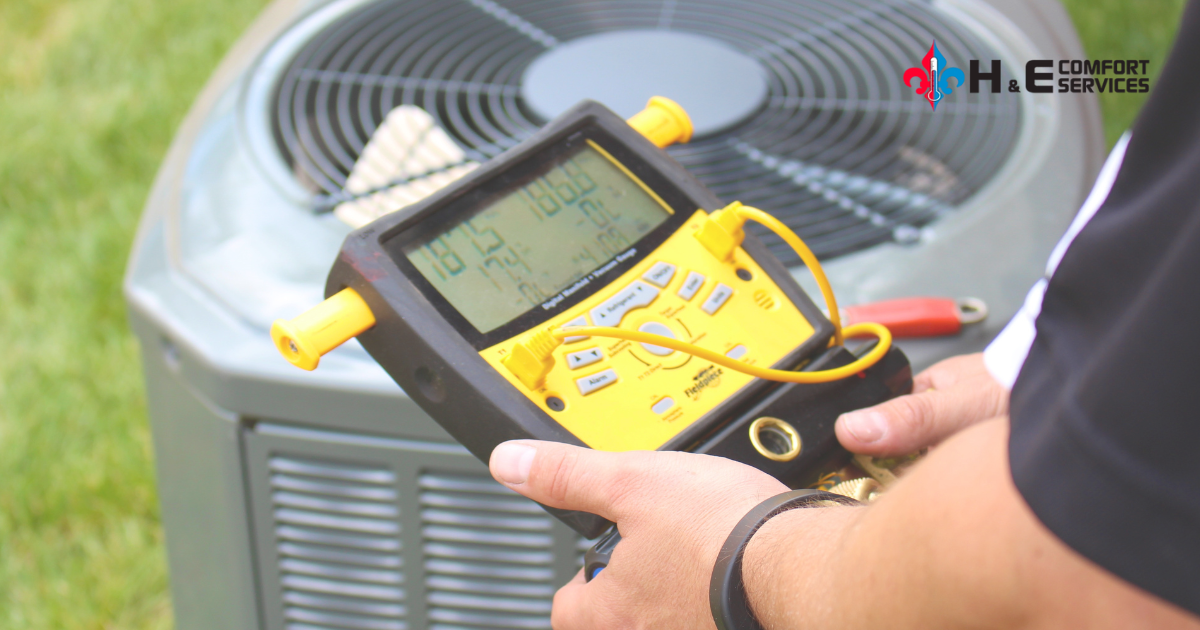
To keep your HVAC system operating efficiently, the balance between static and dynamic pressure must be just right. At H&E Comfort Services, we often use tools like manometers and airflow hoods to measure these pressures during maintenance visits or system diagnostics.

When either pressure is out of balance, it may point to:

  • Clogged or overly restrictive air filters 
  • Dirty coils or blocked ducts 
  • Poorly designed or installed ductwork 
  • Closed or obstructed vents 
  • Incorrect fan speed settings

Any of these issues can cause your HVAC system to work harder than necessary, increasing wear and tear and driving up energy costs—especially during hot, humid New Orleans summers or chilly winter nights.

Static vs. Dynamic Pressure: A Side-by-Side Comparison

Feature Static Pressure Dynamic Pressure
Definition Resistance to airflow in a system Pressure of moving air through the system
Measured Against Duct walls In the direction of airflow
Common Symptoms Poor airflow, noisy vents, high energy use Weak air delivery, temperature imbalances
Typical Causes Dirty filters, undersized ductwork Fan issues, duct leaks, airflow restrictions
Measured In Inches of water column (in. WC) Also in in. WC or Pascals (converted)

Understanding the difference between these two pressures helps pinpoint HVAC performance issues and improve indoor comfort throughout your home.

How H&E Comfort Services Addresses Pressure Problems

When you schedule AC maintenance or an inspection with our team at H&E Comfort Services, we go beyond surface-level checks. We measure both static and dynamic pressure levels to assess the overall health of your HVAC system. This allows us to:

  • Identify airflow restrictions early 
  • Recommend proper duct modifications or cleaning 
  • Optimize your blower settings for maximum efficiency 
  • Improve airflow to hot or cold spots in your home

Our goal is to help you maintain year-round comfort while reducing strain on your system and keeping utility costs under control.

Don’t Ignore the Signs of Poor Airflow

Many homeowners in the New Orleans area assume it’s normal for certain rooms to be warmer or colder than others, or for the AC to run constantly in the summer. But those are often signs of imbalanced pressure in your HVAC system. By having the pressure levels professionally evaluated, you can uncover hidden issues that could be hurting your system’s performance.

Schedule Your HVAC Evaluation Today

If you’ve noticed inconsistent temperatures, noisy vents, or rising energy bills, it may be time for a pressure check. The professionals at H&E Comfort Services are here to help. With expert diagnostics and honest recommendations, we’ll ensure your HVAC system runs efficiently and reliably all year long.

Call us today or book your appointment online to get started. Your comfort is our priority—because no one should have to sweat (or freeze) in their own home!

What Is Static Pressure in an HVAC System and Why Does It Matter?

When it comes to HVAC performance, most homeowners focus on the thermostat, air filter, or even the size of their unit. But there’s another crucial factor that often goes unnoticed: static pressure. At H&E Comfort Services, we believe that understanding this concept can help you better care for your system and improve comfort throughout your home.

What Is Static Pressure in HVAC?

In simple terms, static pressure refers to the resistance to airflow within your HVAC system. Think of it like blood pressure in your body—too high or too low, and things don’t work as they should. Your HVAC system relies on a balance of pressure to push air through ducts, vents, filters, and coils efficiently.

There are two main types of pressure in an HVAC system:

  • Positive pressure on the supply side, where conditioned air is pushed out into your home.
  • Negative pressure on the return side, where air is pulled back into the system for reconditioning.

When the resistance (or static pressure) becomes too high, your system has to work harder to circulate air, which can lead to a host of problems.

Why Static Pressure Matters

High static pressure isn’t just a technical issue—it has real consequences for your comfort, energy bills, and system lifespan. Here’s why it’s important:

Reduced Comfort

If the airflow is restricted, rooms may feel unevenly heated or cooled. Some may be too warm, while others stay cold, no matter how often you adjust the thermostat.

Higher Energy Bills

When static pressure is high, your HVAC system uses more energy trying to force air through restricted pathways. This extra strain leads to increased utility costs over time.

Increased Wear and Tear

Just like driving a car uphill all the time, your HVAC unit will wear out faster if it’s constantly working against high pressure. This can shorten the lifespan of your equipment and lead to more frequent repairs.

Noise Issues

A common symptom of high static pressure is unusual noise—whistling, banging, or loud airflow sounds—caused by air trying to squeeze through tight spaces in your ductwork.

What Causes High Static Pressure?

Several factors can contribute to high static pressure in your HVAC system, including:

  • Dirty or restrictive air filters
  • Undersized or poorly designed ductwork
  • Closed or blocked vents
  • Dirty coils or blower motors

Sometimes, even new systems experience high pressure if the ductwork wasn’t properly evaluated during installation.

How H&E Comfort Services Can Help

At H&E Comfort Services, we perform thorough static pressure testing as part of our HVAC inspections. Using specialized tools, our technicians can measure and identify pressure imbalances and recommend practical solutions—whether that means modifying ductwork, upgrading filters, or improving airflow with zoning systems.

Ignoring static pressure issues can cost you more in the long run. Let our experienced team ensure your system runs as efficiently, quietly, and comfortably as possible.

Schedule Your HVAC Evaluation Today

Don’t let high static pressure keep your home from feeling just right. Contact H&E Comfort Services today to schedule a full HVAC evaluation and discover how small adjustments can lead to major improvements in comfort and performance.

Schedule Service

"*" indicates required fields

This field is for validation purposes and should be left unchanged.
Name*
Address*
Msg Opt In*

By submitting a form on our website and providing your phone number, you agree to receive text messages from H&E Comfort Services at the number provided, including messages about scheduling, service updates, and (if you opt in) promotional offers. Message frequency varies. Message and data rates may apply. Reply STOP to opt out at any time; reply HELP for help. For support, contact office@hecomfortservices.com . We do not sell or share your personal information, including phone numbers, with third parties for their own marketing purposes; we may share information with service providers who help us deliver messages on our behalf. Learn more on our Privacy Policy and Terms & Conditions page.